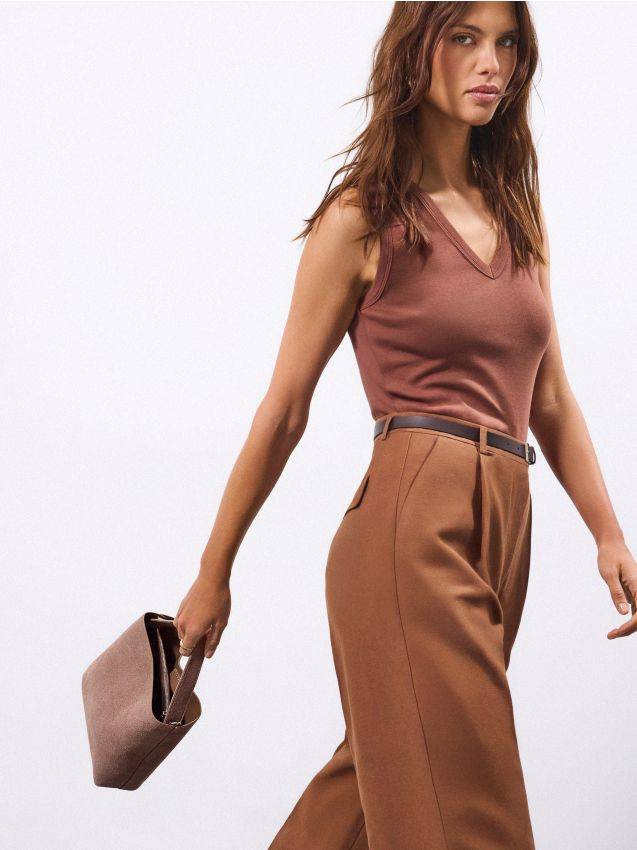
A Quality Women’s Handbag – Materials, Stitching and Important Details
A women’s handbag is both a practical necessity and an important fashion accessory. It is used almost every day, carries personal belongings and often completes the entire outfit. For this reason, the choice should not depend only on colour, shape or current trends.Among the many women’s handbags, you can find models…
How to Recognise a High-Quality Women’s Handbag?
A women’s handbag is both a practical necessity and an important fashion accessory. It is used almost every day, carries personal belongings and often completes the entire outfit. For this reason, the choice should not depend only on colour, shape or current trends.Among the many women’s handbags, you can find models for work, everyday activities, travel and special occasions. Before buying, compare the material, construction, weight, fastening system and interior organisation.
Check the material carefully
The material largely determines how long a handbag will retain its shape and attractive appearance. Small differences in texture are normal with genuine leather. However, an excessively rigid, perfectly smooth or plastic-looking surface may indicate lower quality.Faux leather can also be durable when it is sufficiently thick, flexible and securely attached to its base. Gently bend the material. If pale lines, cracks or peeling immediately appear, the handbag may wear out quickly.Textile models should be made from dense, durable fabric. This is especially important for large tote and shopper bags that are regularly used to carry heavier belongings.
Does the handbag retain its shape?
A structured handbag should remain relatively stable even when empty. Place it on a flat surface and check whether the base collapses or the side panels fold in completely.A certain amount of flexibility is normal in softer bags, but the material should not already appear excessively thin, stretched or badly creased before the first use.A well-shaped handbag can easily be coordinated with different women’s clothes, including dresses, jeans, skirts, suit jackets and blazers and coats.
Inspect the stitching and edges
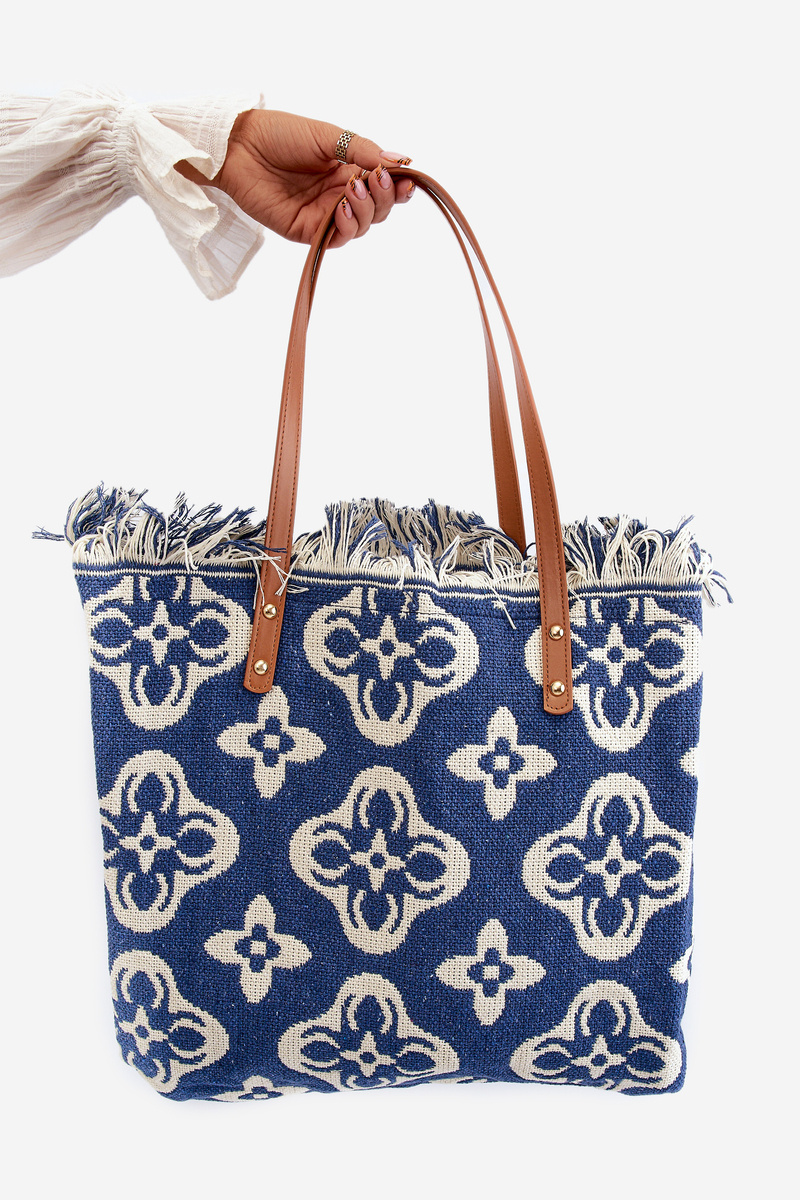
Straight and even stitching is one of the clearest signs of good craftsmanship. The stitches should be approximately the same length, without gaps, interruptions or visibly crooked sections.Pay particular attention to the areas around the handles, shoulder strap, corners and base. These parts are exposed to the greatest strain during everyday use.Loose threads, visible glue and unevenly finished edges are warning signs. Reinforced or double stitching is especially important on larger handbags and travel models.
Test the handles and shoulder strap
The handles are among the most heavily used parts of a handbag. Gently pull each handle and check whether the attachment point moves or the surrounding material begins to stretch.On larger models, the handles should be attached over a sufficiently wide area. This distributes the weight more evenly and reduces the risk of tearing.Try the handbag on your shoulder as well. A handle that feels comfortable over a lightweight blouse may be too short over a jacket or coat.The strap of a shoulder or crossbody bag should be easy to adjust and should remain securely at the selected length. Buckles, rings and clasps should not feel loose or have sharp edges.
Examine the metal details
Zips, buckles, rings, press studs and decorative hardware should feel solid and be securely attached. Very lightweight or hollow components may scratch, discolour or break more quickly.All metal parts should have a similar shade and finish. Noticeable differences between gold-tone or silver-tone details may indicate less careful manufacturing.The colour of the hardware can be coordinated with jewellery, women’s belts, watches and other women’s accessories.
Test the zips and fastenings
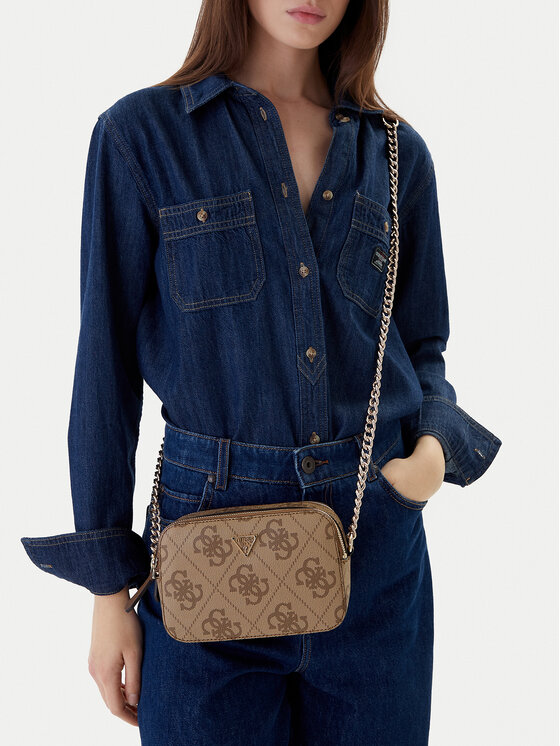
Open and close every zip several times along its full length. It should move smoothly without catching the lining or opening behind the slider.This check is particularly important for backpacks and multi-compartment handbags, as their zips are opened repeatedly throughout the day.A magnetic fastening should align correctly and hold the handbag securely closed. A weak magnet may open while walking, while an excessively strong one may place unnecessary strain on the surrounding material.
Do not overlook the lining
A quality lining should be strong, smooth and carefully stitched. Inspect the lower corners and the areas around the internal pockets, where the first tears commonly appear.A light-coloured lining makes small belongings easier to find, while a darker one conceals marks more effectively. However, fabric strength and ease of cleaning are more important than colour.Loose threads, open seams, very thin fabric and visible glue suggest that the interior has not been finished carefully enough.
Evaluate the interior organisation
A practical handbag does not necessarily need a large number of compartments. It is more important that the pockets are deep enough, easy to reach and positioned logically.An internal zipped pocket is useful for keys, documents and a women’s wallet. An open side pocket can be used for a mobile phone.Dividers help maintain order in a larger everyday handbag. Very shallow pockets may appear useful, but belongings can easily fall out of them.
Check the base and weight
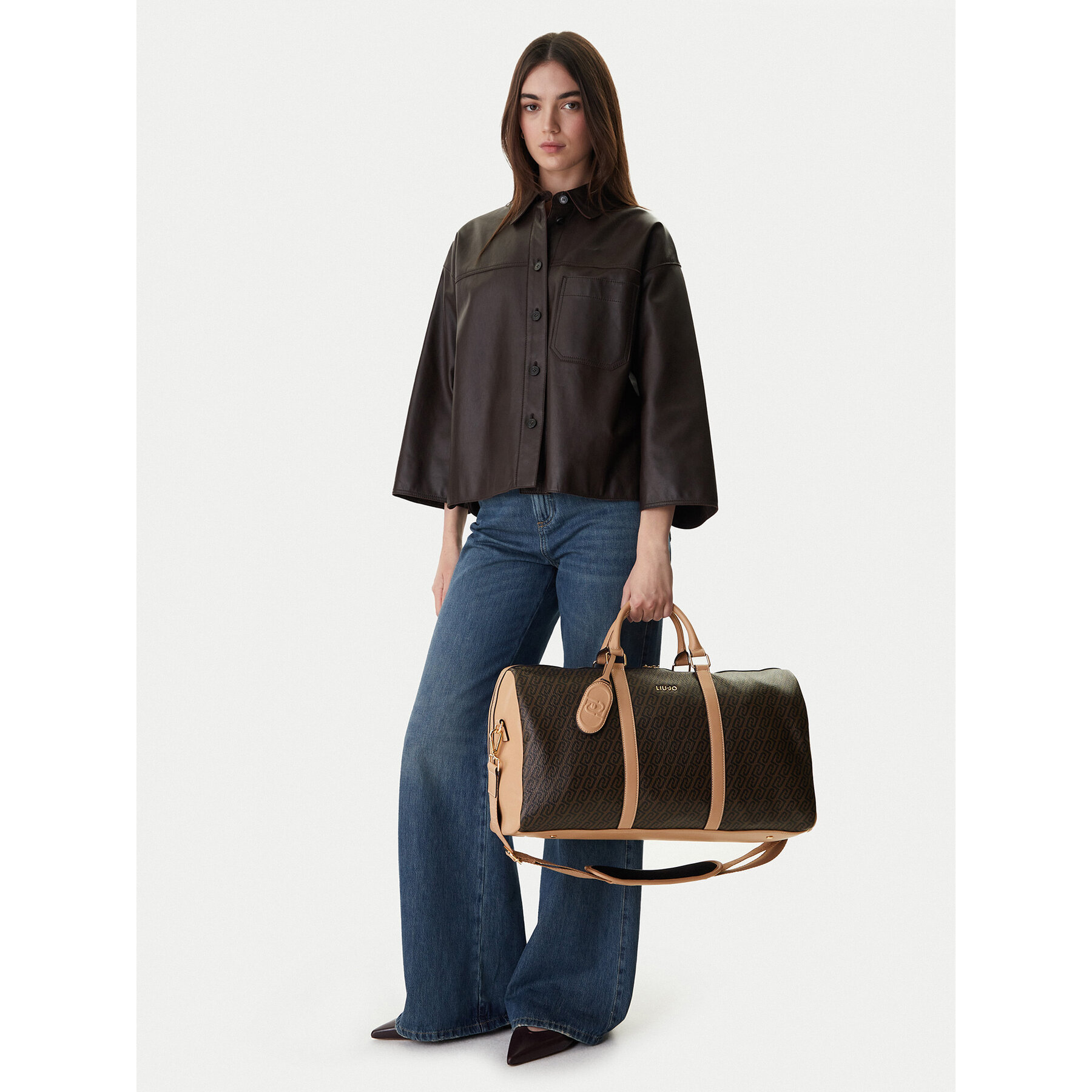
The base should be sufficiently stable, particularly on larger work and everyday handbags. Press it gently and check whether it bends too easily.Metal feet are a useful feature because they reduce direct contact between the handbag and the floor. They should be positioned symmetrically and attached securely.Also consider the weight of the empty handbag. If it already feels heavy without any contents, it may place uncomfortable pressure on the shoulder and back once filled.
Choose the right type and size
A compact shoulder or crossbody bag is usually sufficient for a phone, keys and a few small personal items. For documents, cosmetics, a bottle of water and daily essentials, a larger tote or shopper bag is more practical.Backpacks and belt bags are useful for walks, travelling and casual activities because they leave the hands free. They work well with jeans, T-shirts and trainers.Do not choose an oversized handbag simply because it appears practical. The more space it offers, the more likely it is to be overloaded.
What should you check on different types of handbags?
On a tote or shopper bag, pay attention to the width of the handles, the reinforced base and the security of the interior pocket. It should remain comfortable even when filled.On a soft bucket or hobo-style handbag, check the strength of the drawstring, zip or magnetic fastening. A relaxed shape should not mean weak stitching or a fragile lining.On a clutch bag, inspect the frame, fastening and finished edges carefully. Even a small evening handbag should feel stable and well constructed.For formal events, choose a smaller handbag or clutch and combine it with an elegant dress, a women’s blazer and suitable shoes.During summer, a beach or straw bag should be lightweight, spacious and easy to clean. It can be styled with swimwear, women’s sandals and sunglasses.
Does a high price guarantee quality?
A higher price may reflect better materials, stronger construction or a recognised designer name, but price alone does not guarantee quality.Compare several models and examine the stitching, lining, handles, zips and metal components. A simple handbag may be more durable than an expensive design with numerous decorative details.
Signs of lower quality
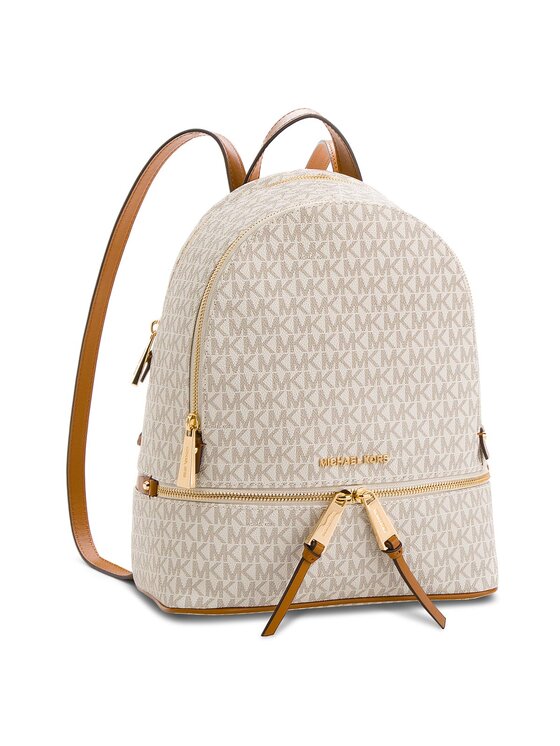
Loose threads, crooked stitching, visible glue and cracked edges are clear warning signs.Other concerns include sticking zips, weak magnets, thin lining, unstable handles and a deformed base before the handbag has even been used.A very strong chemical smell may indicate a lower-quality coating or adhesive. New materials can have a slight scent, but it should not be overpowering or long-lasting.
Choose a handbag that is easy to style
Black, brown, beige, navy and burgundy handbags are easy to coordinate with different women’s clothes and women’s footwear.A neutral handbag works well with dresses, trousers, jeans, skirts, blazers and coats. A brightly coloured design can become the main focal point of a simple outfit.For a casual look, combine a shoulder bag, backpack or belt bag with women’s jeans, a T-shirt and trainers.For work, choose a structured handbag with tailored trousers, a blouse, a blazer and elegant shoes.For a special occasion, style a clutch with an evening dress, heeled sandals and delicate jewellery.
How should you care for a handbag?
Store the handbag in a dry place. If it will not be used for a longer period, fill it with soft paper or fabric to help it retain its original shape.Avoid newspaper because printing ink can stain the lining. Do not place heavy objects on top of the handbag.Use cleaning products designed specifically for the material. Genuine leather, faux leather, suede and textile require different methods of care.Do not overload the handbag. Excessive weight can stretch the handles, damage the stitching and permanently deform the base.
Conclusion
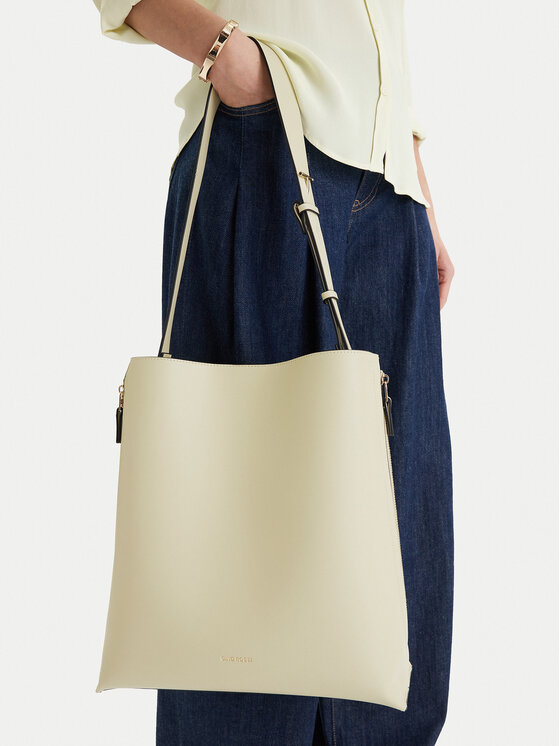
A high-quality women’s handbag can be recognised by its durable material, even stitching, stable handles, smoothly operating zips, strong lining and practical interior organisation.Do not base your choice only on price, brand or fashionable design. The best handbag should be comfortable, retain its shape and suit the way you plan to use it.Visit our website and explore a wide selection of women’s handbags, tote bags, shoulder bags, crossbody bags, backpacks and clutch bags. Complete your outfit with women’s dresses, women’s jeans, women’s skirts, women’s blazers, women’s coats, sandals and other women’s accessories.