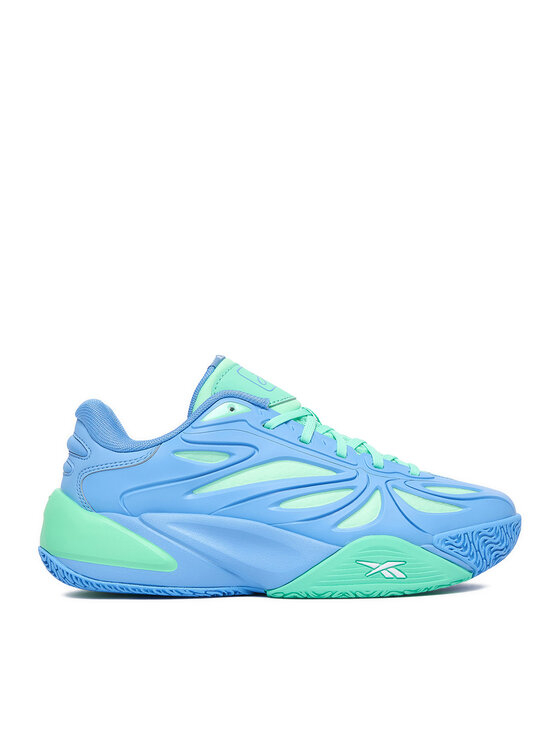
Children’s trainers and sports shoes: the right pair for every activity
A child’s day can move quickly from the classroom to the playground and then to sports practice. Their footwear needs to allow natural movement, remain comfortable for hours and provide dependable grip on different surfaces. Rather than choosing by colour alone, begin with how the shoes will be used, then assess the fit, upper, sole and fastening.
.png)
Check the fit while your child is moving
Lightweight children’s sports shoes are a useful starting point for school and leisure. You can narrow the choice to girls’ trainers or boys’ trainers, although the shape of the last matters more than the category label. Measure both feet with the child standing and use the longer measurement.There should be a sensible amount of growing room in front of the toes, but the heel must not lift with every step. Ask your child to walk, turn and crouch in the shoes. Side pressure, sliding or curled toes indicate a poor fit. For less active occasions, compare girls’ casual shoes and boys’ casual shoes.Choose fastenings according to age and independence. Hook-and-loop straps make changing easier for younger children, while laces allow a closer adjustment around the instep. Avoid buying an excessively large size to last longer, as loose footwear can reduce stability and cause rubbing.
Look at the upper and sole together
.png)
Mesh uppers improve airflow during energetic play and warmer weather. Denser materials offer more protection outdoors. The sole should flex at the forefoot, where the foot naturally bends, whilst remaining supportive around the heel. A deeper tread can provide more confidence on damp or uneven ground.The season changes the priorities. In summer, consider girls’ sandals and boys’ sandals. Colder, wetter days call for girls’ boots and ankle boots or boys’ winter footwear.
Match the shoe to the activity
For running, low weight, cushioning and a smooth transition through each stride are useful, so explore running shoes. Indoor sessions require lateral stability from suitable fitness shoes. On the pitch, football boots should match the playing surface.
.png)
For family walks over rougher terrain, hiking and trekking footwear offers stronger grip and protection. Beside a pool or on a stony beach, water sports shoes are the more practical option. Purpose-built soles support balance and control rather than simply changing the look.
Finish the kit and care for the shoes
Well-fitting children’s socks help manage moisture and reduce friction. School essentials fit into children’s bags and backpacks, while separate sports bags keep training kit organised. For cycling, add an appropriately fitted cycling helmet.After wear, remove the insoles and let the shoes air. Brush away dry mud gently and avoid drying a wet pair directly on a radiator. Recheck the fit every few months: redness, blisters, uneven sole wear or toes reaching the front are clear signs that a new size or different shape is needed.