Online Clothes Shopping: A Practical Guide to Finding Your Best Fit
How to Choose the Right Clothing Size When Shopping Online
How to Choose the Right Clothing Size When Shopping Online
Shopping for clothes online gives you access to a wider choice of brands, styles and prices without having to visit several stores. The difficult part is deciding which size to order when you cannot try the garment on first.A size M, 12 or 40 does not always represent exactly the same measurements across different brands. The final fit also depends on the cut, fabric, stretch and intended shape of the garment. Instead of relying only on the size printed on the label, it is better to compare several details before completing your purchase.Whether you are browsing women’s clothing, men’s clothing or children’s fashion, a few simple checks can make online sizing much easier.
Start with your current body measurements
The most reliable starting point is an up-to-date set of body measurements. You do not need to measure yourself before every purchase, but it is useful to know your chest or bust, waist and hip measurements.Use a flexible measuring tape and measure over underwear or very thin clothing. Keep the tape level around the body and close to the skin without pulling it too tightly.
The most important measurements depend on the type of garment:
- for dresses and jumpsuits – bust, waist and hips;
- for jeans and trousers – waist, hips and inside leg;
- for shirts and blazers – chest, shoulders, neck and sleeve length;
- for jackets and coats – chest, shoulders, sleeves and room for layering.
Write the measurements down so that you can compare them easily with different product size guides. It is also worth checking them occasionally because even a small change in body shape can affect the size that fits best.
Read the size chart instead of trusting the label
The size you normally wear should only be treated as a general guide. One brand may design a size M with a closer fit, while another may make the same labelled size noticeably more relaxed.Before ordering, compare your measurements with the chart provided for the individual product or brand. Pay attention to whether the numbers refer to body measurements or to the measurements of the finished garment.For example, if a top is listed as measuring 52 centimetres across the chest when laid flat, its full circumference will usually be approximately 104 centimetres. This is different from a size chart that asks for your actual chest measurement.If you fall between two sizes, do not automatically choose the larger one. First check whether the garment is slim, regular, relaxed, oversized or made from a stretchy fabric.
Understand how the intended fit changes the size
Two garments with similar measurements may feel completely different because of their shape. Slim-fit clothing follows the body more closely, regular-fit pieces offer a traditional silhouette, and relaxed or oversized designs are intentionally wider.This means that the correct size also depends on how you want the garment to look. A loose blouse may be designed with extra volume, while a formal shirt should sit neatly across the shoulders without pulling around the buttons.When browsing men’s shirts, check the chest and shoulder measurements as well as the neck and sleeve length. A shirt can fit around the body but still be uncomfortable if the collar is too tight or the sleeves are too short.
How to choose the right dress size
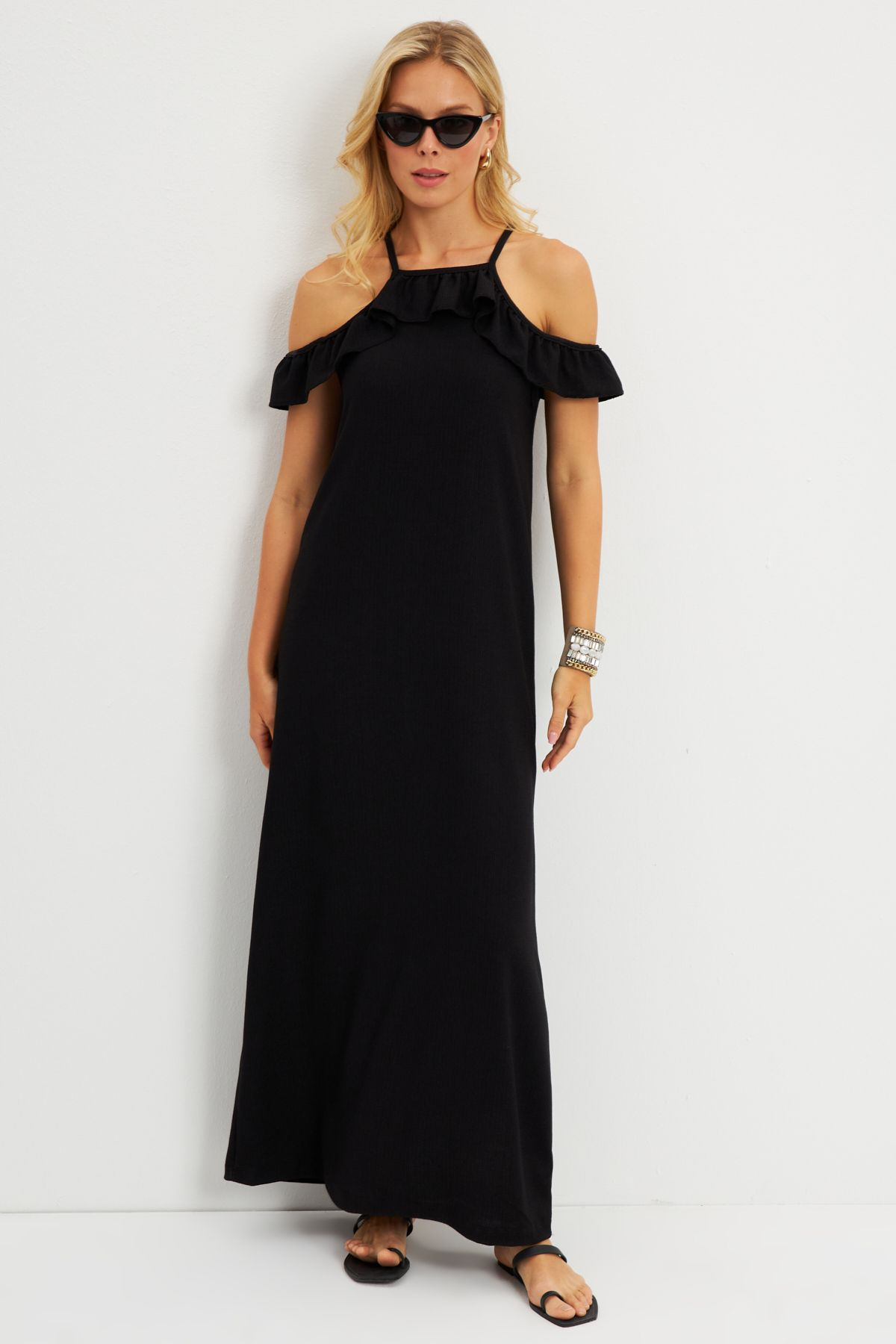
When choosing a dress, begin by identifying the most fitted part of the design. If the top is shaped closely but the skirt is loose, the bust measurement may be the deciding factor. If the dress follows the entire figure, the bust, waist and hips should all be checked.The selection of women’s dresses may include fitted, straight, A-line, shirt-style and relaxed silhouettes, and each shape requires a slightly different approach to sizing.For cocktail dresses and occasion styles, make sure the upper section does not pull across the chest or feel tight under the arms.Length is just as important as width. The same midi design may finish below the knee on a taller person and close to the ankle on someone shorter. When the model’s height is shown, compare it with your own height rather than judging the length only from the photograph.
Jeans require more than a waist measurement
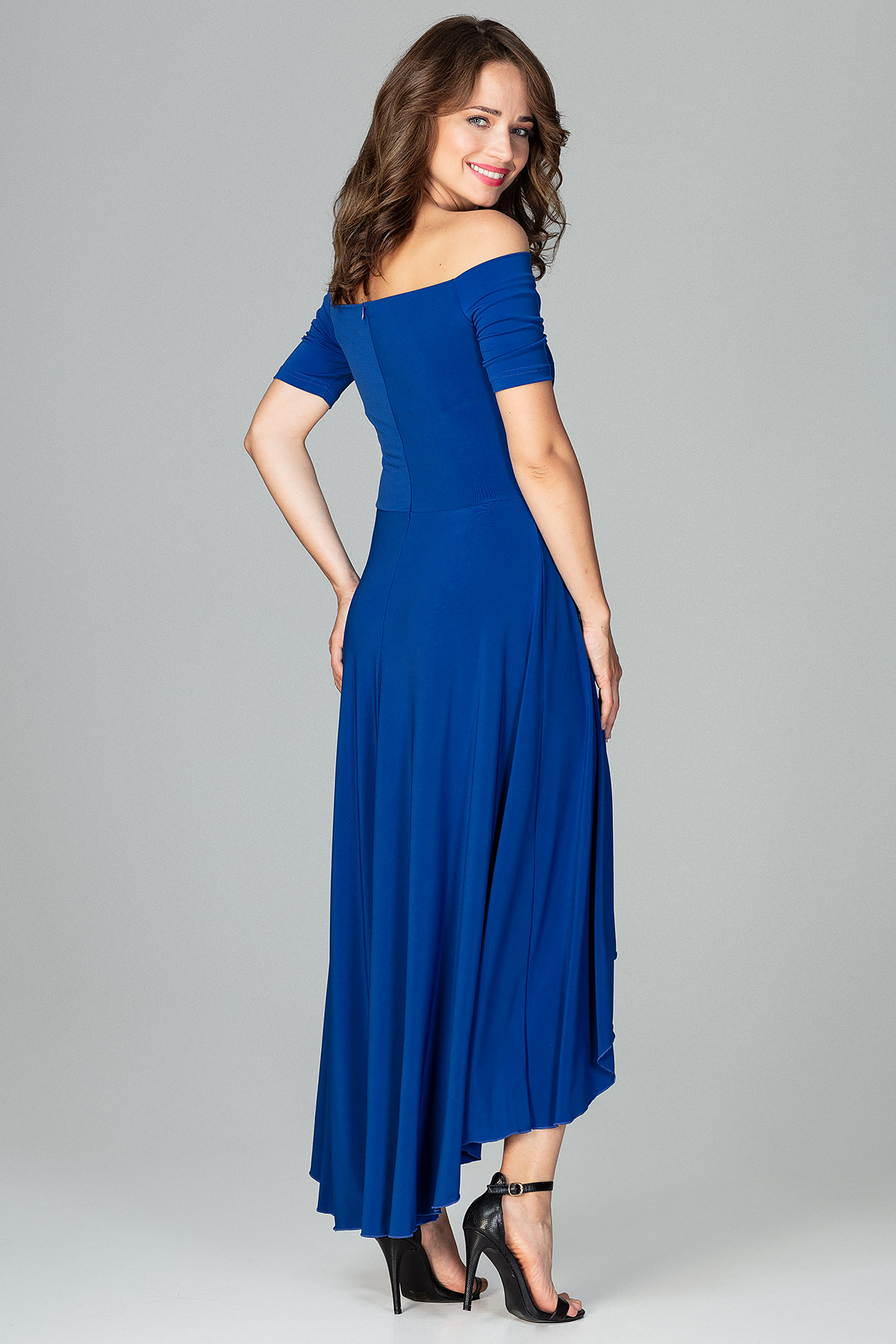
A common mistake when buying jeans is looking only at the waist size. The hips, thighs, rise, inside leg and shape of the leg also affect how the jeans will fit.When exploring women’s jeans, check whether the fabric contains elastane. Stretch denim can look narrow but still adapt comfortably to the body, while rigid denim offers much less flexibility.The cut also matters. Skinny jeans fit closely from the hips to the ankles, straight-leg jeans fall in a straighter line, boyfriend styles are more relaxed, and wide-leg jeans create extra volume through the legs.For high-rise jeans, measure the waist at the point where the waistband will actually sit. A lower measurement taken around the hips will not give an accurate comparison.For men’s jeans, check both the waist and leg length. Slimmer styles should also provide enough room around the seat and thighs.
Shoulder fit is especially important for tops and jackets
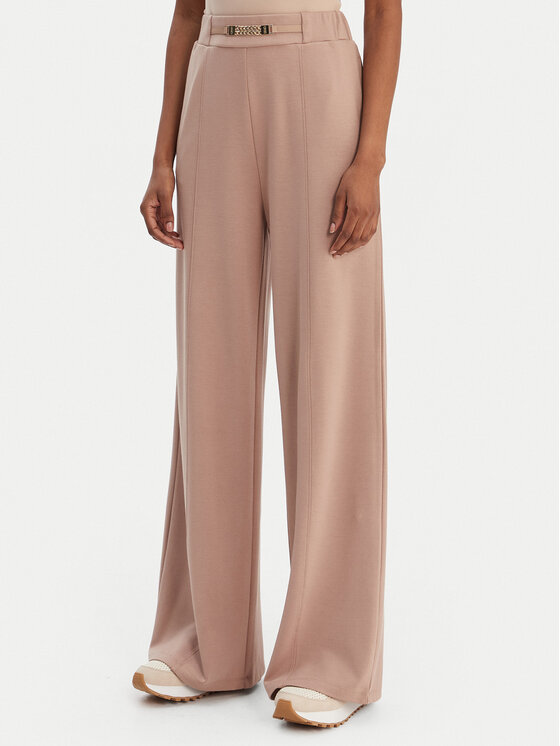
For T-shirts, shirts, blazers and jackets, the shoulders are one of the clearest indicators of fit. A standard shoulder seam should usually finish close to the edge of the shoulder.If the seam falls too far down the upper arm, the garment may be too large. If it sits too close to the neck and the fabric pulls across the upper back, the size may be too small. Oversized designs are an exception because dropped shoulders are part of the intended silhouette.When choosing men’s T-shirts and jerseys, check the chest, shoulder width and total length. The top should not rise excessively when you lift your arms, but it should not be so long that it changes the proportions of the outfit.
Formal clothing needs a more precise fit
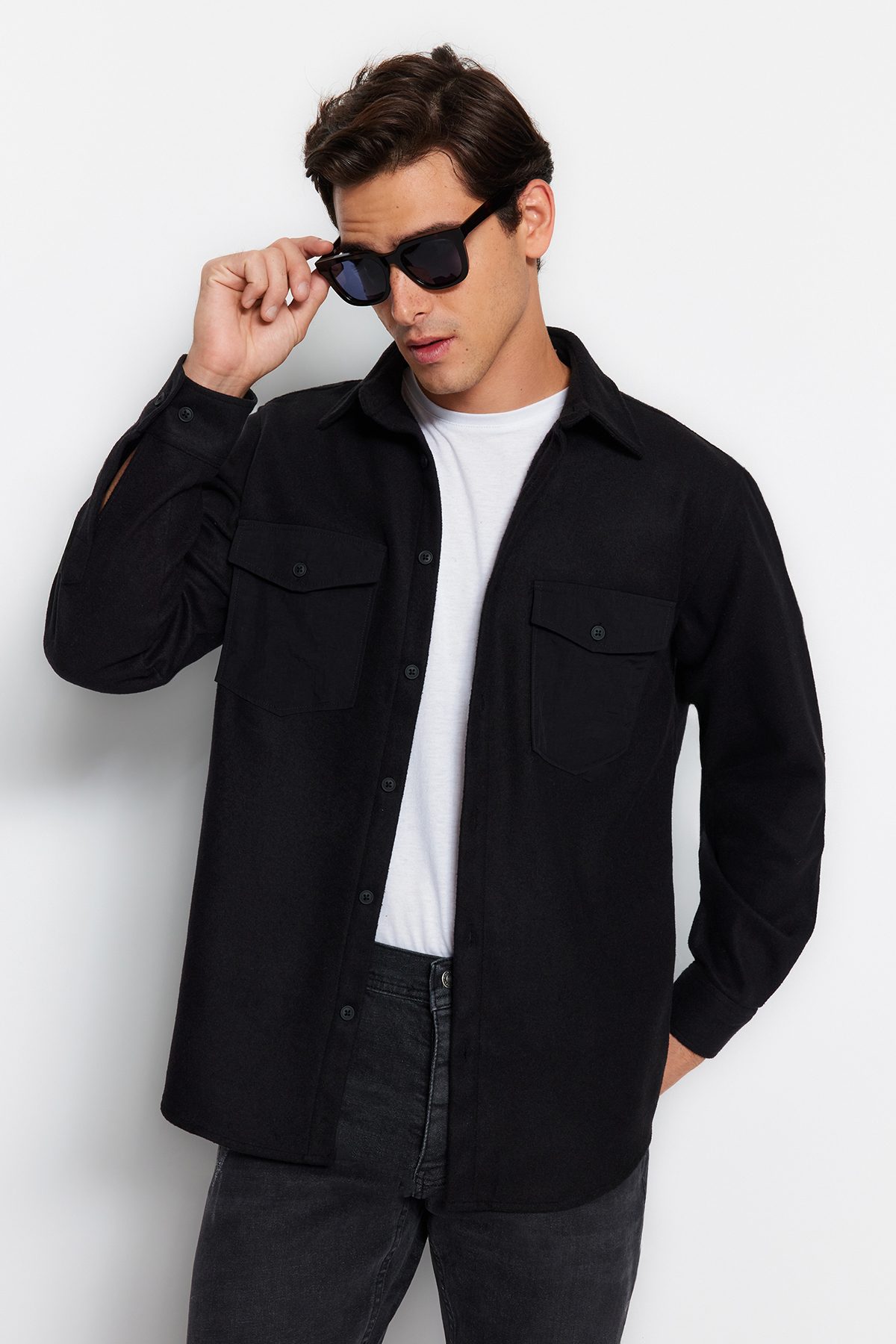
Formal garments usually require closer attention because small fitting problems are more noticeable. A blazer or suit jacket should lie smoothly across the shoulders, chest and back without deep creases or pulling around the fastening.When browsing men’s suits, compare the chest, waist, shoulder width and sleeve length. The jacket should allow comfortable movement while still maintaining a clean shape.Trousers should sit securely at the waist without needing to be tightened excessively with a belt. Check the seat, thighs and leg length as well as the waist measurement.
Allow room for layers under coats and jackets
Outerwear is usually worn over other clothing, so the correct size should leave room for at least one additional layer. A lightweight spring jacket may sit closer to the body, while a winter coat should accommodate a jumper or sweatshirt.This does not always mean ordering one size larger. Many coats and jackets are already designed with extra ease. The better approach is to check the listed measurements and the description of the cut.When selecting women’s coats, compare the bust, shoulders, sleeve length and total length. The same applies to men’s coats, especially when the coat will be worn over formal clothing or thick knitwear.A useful test is to imagine reaching both arms forwards. If the garment would pull strongly across the back or shoulders, a larger size or a different cut may be more suitable.
Underwear should support without digging into the skin
Underwear requires accurate measurements because even a small sizing difference can affect comfort. For a bra, measure directly underneath the bust and then around the fullest part of the bust.When comparing women’s underwear, remember that a sports bra, bralette and structured bra can feel different even when they carry the same size. The shape of the cups, width of the band and level of support all influence the final fit.Briefs should remain in place without cutting into the waist or legs. If you are between sizes, consider the fabric’s elasticity and the height of the waistband.For men’s underwear, the waist measurement is generally the most useful starting point. The material should fit close to the body without excessive pressure.
Sportswear should be assessed for movement
Sportswear must do more than look good while standing still. It should allow comfortable movement, remain in place and avoid unnecessary rubbing during activity.When browsing women’s sports clothing or men’s sportswear, consider the activity as well as the size.Running clothing often has a closer fit to reduce movement of the fabric. Leggings and shorts should have a secure waistband, while tops should allow the shoulders and arms to move freely.Compression garments are intended to feel firm, but they should not cause numbness, pain or severe restriction. Loose sportswear should also not be so oversized that it shifts excessively during exercise.
How to choose children’s clothing sizes
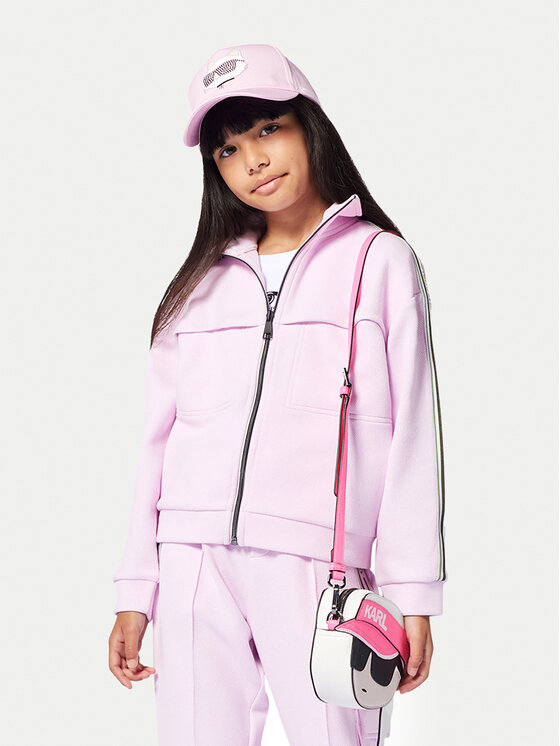
Children’s sizes are often based on height rather than age alone. For example, size 140 is generally designed for a child who is around 140 centimetres tall.However, children of the same height can have different proportions. When browsing girls’ clothes or boys’ clothes, check the child’s height, chest, waist and leg length.A small amount of growing room is practical, but clothing that is several sizes too large may be uncomfortable and can interfere with movement. Sleeves should not cover the hands excessively, and trousers should not drag along the ground.For baby clothes, leave enough room for the nappy and make sure fastenings do not press against the neck, stomach or legs.
The fabric can make a size feel larger or smaller
Fabric composition is one of the best clues to how a garment will fit. Elastane and other stretch fibres allow clothing to adapt more easily to the body. Rigid denim, linen and thick woven cotton usually provide less flexibility.Viscose and lightweight knits tend to fall softly, but they may follow the body more closely than expected. Thick knitwear adds volume, while lined garments can feel smaller on the inside even when their outer measurements appear generous.Check the care instructions as well. Some natural fabrics may shrink if they are washed or dried at a temperature that is too high.
Measure a garment that already fits you well
One of the simplest ways to check a size is to measure a similar garment from your own wardrobe. Place it on a flat surface and measure the chest width, waist, hips, sleeve length and total length.Compare these figures with the measurements given in the product description. This method is particularly useful when the retailer provides garment measurements rather than body measurements.Choose a similar type of garment for the comparison. A fitted shirt should not be compared with an oversized T-shirt, and skinny jeans should not be compared with wide-leg trousers.
Use product descriptions and customer reviews
The product description may explain whether the item fits true to size, runs small or has an intentionally loose silhouette. Details about the model’s height and the size worn in the photographs can also provide a useful reference.Customer reviews may reveal that the sleeves are shorter than expected, the waist is narrow or the garment has more room than the size chart suggests. The most useful reviews are those that include the buyer’s height, usual size and chosen size.
Common sizing mistakes to avoid
One frequent mistake is choosing only by the letter or number on the label. Another is ignoring the fabric composition. Shoppers may also forget to check the length of the garment or order a smaller size in the hope that it will stretch significantly.Stretch fabric can provide some flexibility, but not every garment will loosen enough to correct an unsuitable size. A size that is too large is not always more comfortable either, because it can cause the shoulders, waist and other design details to sit in the wrong place.
Final checks before placing your order
Before completing the purchase, compare your measurements with the size chart one more time. Check whether the measurements refer to the body or the finished product, and read the information about the cut and material.Look at the garment length, sleeve length and the height of the model where available. Consider whether you want the item to fit closely, follow the body naturally or create a deliberately relaxed silhouette.The most reliable choice comes from combining several details instead of relying on only one measurement.
Conclusion
The correct clothing size is not simply a letter or number on a label. It depends on the garment’s measurements, cut, fabric and the way you want it to look on your body.Taking a few minutes to measure and compare can make online shopping easier and reduce the likelihood of choosing an unsuitable fit. Visit our website and explore fashion for women, men and children, as well as clothing and equipment for different sports.