SHOPSTYLER JOURNAL
The story of Gucci - a symbol of luxury fashion
The story of Gucci - a symbol of luxury fashion Gucci has long been a status symbol in luxury fashion. Gucci's beginnings are linked to a deep-rooted family history filled with feuds, moments of hunger and strength. The House of Gucci began in 1921 with founder Guccio Gucci in Florence. Before embarking o…
The story of Gucci - a symbol of luxury fashion
Gucci has long been a status symbol in luxury fashion. Gucci's beginnings are linked to a deep-rooted family history filled with feuds, moments of hunger and strength.
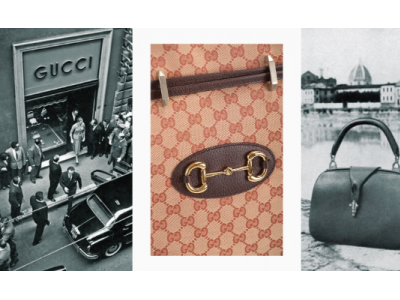
The House of Gucci began in 1921 with founder Guccio Gucci in Florence. Before embarking on the creation of the world-famous brand, Guccio Gucci moved to London, where he found work as a baggage porter at one of the most luxurious and privileged hotels that attracted the wealthiest people - the Savoy Hotel, London. Here he gained a deep understanding of what high society was looking for in luxury goods; he saw his future consumer market up close. When he returned home to Florence, he learned all he could about the craft of leatherworking at Franzi, where he excelled in the role. Eventually, Gucci decided to take action to realize his dreams with the support of his wife and two sons. They used their savings and a loan to open their first official store in their hometown of Florence.

When the first Gucci store opens, the focus is on leather goods.
When Gucci became a family business with Guccio's three sons, Aldo, Vasco and Rodolfo, the brand began to enter the world of luxury. The house faced material constraints due to the embargo imposed by the League of Nations against Italy. Gucci's main ingredient - leather - is in short supply. However, the brand's reputation continued to grow in the 1930s as the house turned to alternative materials such as hemp and hemp fabric. The bags were then printed with the house's first distinctive stamp, the one we all know and love today - a series of small, interlocking, dark brown diamonds on a tan background.
In 1938, a new store opened in Rome, expanding the brand's territory in Italy.

The 1950s brought great success - as the brand expanded in the US, Gucci became a symbol of success and wealth among upper-class travellers.
Guccio Gucci died in 1953 at the age of 71, leaving his inheritance and business in the hands of his three sons.
In 1961, former U.S. First Lady Jacqueline Kennedy was seen carrying the Gucci G1907 handbag, which the house later renamed the "Jackie"..

At the same time it expanded its operations in London and Palm Beach. And Gucci's first logo, the famous double G, which was originally designed as a clasp for bag closures. The first store opened in Paris in 1963, when Gucci continued to expand around the world.

In the 1970s, Gucci began popping up everywhere, opening more and more stores from Tokyo to Hong Kong, and when Fifth Avenue in New York expanded, a store devoted entirely to clothing appeared alongside the accessories store. In 1975, Gucci also entered the cosmetics realm with its first No. 1 perfume.
In 1981, Gucci organized its first ready-to-wear show, all starting in Florence, Italy.
In 1994, Tom Ford was officially appointed creative director of Gucci, putting the family fashion house in the hands of a new designer for the first time since 1921. His first collection for autumn 1995 put Gucci back on the fashion map with glamorous designs. Ford is credited with reviving Gucci's name and reputation that year, while restoring opulence to the house and changing its identity.

In the late 1990s there was a battle between the big companies LVMH and PPR (now known as Kering), who wanted the fashion house to enter their field. LVMH began slowly acquiring Gucci shares, despite resistance from then-CEO Domenico De Sole. Before the company could take full control, PPR quickly became a major shareholder of Gucci, where Gucci remains to this day.
Ford brought in Frida Giannini to head the accessories division before she left due to problems with PPR (Kering) in 2004.
In 2006, Gucci took over the company. Giannini became Gucci's new creative director in 2006.

După plecarea lui Giannini în 2014, Alessandro Michele a fost anunțat ca noul director de creație al Gucci în 2015.
Michele combines his unique and eccentric style with Gucci's classic heritage. His love of extravagance and opulence has become an integral part of the fashion house. In 2017, it was even announced that Gucci had achieved record sales under Michele's leadership. Michele's romantic and poetic vision of 21st century luxury has attracted a whole new market of younger consumers.

On 23 November 2022. Alessandro Michele announces he is leaving Gucci after 7 years as creative director.
The creative director of the Gucci fashion house from 2023 is Italian designer Sabato De Sarno. He is focused on moving into the future while carefully and strategically respecting the past.

Gucci has long been a status symbol in luxury fashion. Gucci's beginnings are linked to a deep-rooted family history filled with feuds, moments of hunger and strength.
The House of Gucci began in 1921 with founder Guccio Gucci in Florence. Before embarking on the creation of the world-famous brand, Guccio Gucci moved to London, where he found work as a baggage porter at one of the most luxurious and privileged hotels that attracted the wealthiest people - the Savoy Hotel, London. Here he gained a deep understanding of what high society was looking for in luxury goods; he saw his future consumer market up close. When he returned home to Florence, he learned all he could about the craft of leatherworking at Franzi, where he excelled in the role. Eventually, Gucci decided to take action to realize his dreams with the support of his wife and two sons. They used their savings and a loan to open their first official store in their hometown of Florence.
When the first Gucci store opens, the focus is on leather goods.
When Gucci became a family business with Guccio's three sons, Aldo, Vasco and Rodolfo, the brand began to enter the world of luxury. The house faced material constraints due to the embargo imposed by the League of Nations against Italy. Gucci's main ingredient - leather - is in short supply. However, the brand's reputation continued to grow in the 1930s as the house turned to alternative materials such as hemp and hemp fabric. The bags were then printed with the house's first distinctive stamp, the one we all know and love today - a series of small, interlocking, dark brown diamonds on a tan background.
In 1938, a new store opened in Rome, expanding the brand's territory in Italy.
The 1950s brought great success - as the brand expanded in the US, Gucci became a symbol of success and wealth among upper-class travellers.
Guccio Gucci died in 1953 at the age of 71, leaving his inheritance and business in the hands of his three sons.
In 1961, former U.S. First Lady Jacqueline Kennedy was seen carrying the Gucci G1907 handbag, which the house later renamed the "Jackie"..
At the same time it expanded its operations in London and Palm Beach. And Gucci's first logo, the famous double G, which was originally designed as a clasp for bag closures. The first store opened in Paris in 1963, when Gucci continued to expand around the world.
In the 1970s, Gucci began popping up everywhere, opening more and more stores from Tokyo to Hong Kong, and when Fifth Avenue in New York expanded, a store devoted entirely to clothing appeared alongside the accessories store. In 1975, Gucci also entered the cosmetics realm with its first No. 1 perfume.
In 1981, Gucci organized its first ready-to-wear show, all starting in Florence, Italy.
In 1994, Tom Ford was officially appointed creative director of Gucci, putting the family fashion house in the hands of a new designer for the first time since 1921. His first collection for autumn 1995 put Gucci back on the fashion map with glamorous designs. Ford is credited with reviving Gucci's name and reputation that year, while restoring opulence to the house and changing its identity.
In the late 1990s there was a battle between the big companies LVMH and PPR (now known as Kering), who wanted the fashion house to enter their field. LVMH began slowly acquiring Gucci shares, despite resistance from then-CEO Domenico De Sole. Before the company could take full control, PPR quickly became a major shareholder of Gucci, where Gucci remains to this day.
Ford brought in Frida Giannini to head the accessories division before she left due to problems with PPR (Kering) in 2004.
In 2006, Gucci took over the company. Giannini became Gucci's new creative director in 2006.
După plecarea lui Giannini în 2014, Alessandro Michele a fost anunțat ca noul director de creație al Gucci în 2015.
Michele combines his unique and eccentric style with Gucci's classic heritage. His love of extravagance and opulence has become an integral part of the fashion house. In 2017, it was even announced that Gucci had achieved record sales under Michele's leadership. Michele's romantic and poetic vision of 21st century luxury has attracted a whole new market of younger consumers.
On 23 November 2022. Alessandro Michele announces he is leaving Gucci after 7 years as creative director.
The creative director of the Gucci fashion house from 2023 is Italian designer Sabato De Sarno. He is focused on moving into the future while carefully and strategically respecting the past.