
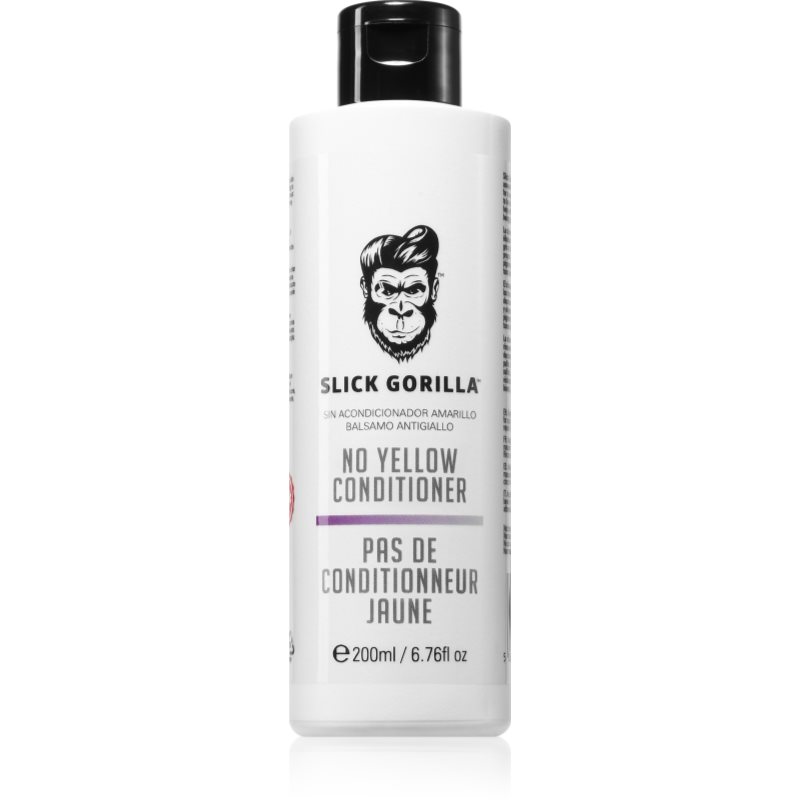
Hair Conditioners: Premium Daily Care for Softer, Smoother and More Manageable Hair
Hair conditioners are essential products in any effective hair care routine because they help restore softness, reduce tangles, smooth the hair surface and make styling easier after washing. While shampoo focuses mainly on cleansing the scalp, conditioner is designed to care for the lengths and ends, where hair is usually drier, older and more exposed to brushing, styling tools, weather and friction. At Shopstyler.co.uk, the Hair Conditioners category is created for women who want healthier-looking hair with a softer feel, better shine and improved everyday manageability.
Choosing the right conditioner can completely change how your hair behaves after every wash. Fine hair may need a lightweight formula that detangles without flattening volume. Thick, curly or coarse hair often needs richer conditioning with more slip and moisture. Colour-treated or bleached hair benefits from conditioners that support softness, shine and smoother texture. Dry or frizzy hair usually needs formulas that help reduce roughness and make styling more controlled. The best hair conditioners are not chosen only by fragrance or packaging, but by how well they match your hair type, hair condition and styling routine.
This guide will help you choose hair conditioners with more confidence, compare the most useful conditioner types, understand the pros and cons and build a practical routine with shampoos, hair masks, leave-in conditioner, hair oil and heat protection.
How to Choose Hair Conditioners
Start with your hair texture. Fine or thin hair needs a conditioner that rinses clean and does not leave a heavy coating. Apply it mainly to the ends and avoid the roots if you want to keep volume. Normal hair usually works well with a balanced conditioner that softens and detangles without being too rich. Thick, coarse or curly hair often needs a more nourishing conditioner with stronger slip to make detangling easier and reduce frizz.
Next, look at your hair condition. If your hair feels dry, choose a moisturising conditioner that improves softness and comfort. If it feels weak, rough or fragile after colouring, bleaching or heat styling, a repair conditioner may be more suitable. If your colour looks dull quickly, choose a colour-care conditioner that helps maintain a smoother, shinier finish. If your hair becomes puffy in humidity, a smoothing or anti-frizz conditioner can make styling easier.
Your scalp also matters, even though conditioner is usually not applied directly to it. If your roots become oily quickly, keep conditioner away from the scalp and use only a small amount on the lower lengths. If your hair is dry from root to end, you may need a richer routine, but careful rinsing is still important. Conditioner should leave hair soft and flexible, not greasy, coated or flat.
Comparison Table: Which Hair Conditioner Is Best for Your Routine?
| Conditioner Type | Best For | Main Benefit | Ideal Hair Type | Practical Buying Tip |
|---|---|---|---|---|
| Moisturising conditioner | Dry, rough or dull hair | Softness, hydration and shine | Normal, dry, thick or curly hair | Choose when hair feels dry but not necessarily damaged |
| Lightweight conditioner | Flat roots, fine hair and daily washing | Detangling without heaviness | Fine, thin or oily-prone hair | Apply only to the ends to preserve natural volume |
| Repair conditioner | Bleached, coloured or heat-styled hair | Smoother texture and stronger-looking lengths | Fragile, damaged or chemically treated hair | Use with hair masks and heat protection for a stronger routine |
| Colour-care conditioner | Dyed, highlighted or toned hair | Softness, shine and colour support | Colour-treated hair | Pair with colour-care shampoo and weekly masks |
| Smoothing conditioner | Frizz, flyaways and coarse texture | Control, polish and easier styling | Thick, wavy, curly or frizz-prone hair | Useful before blow-drying or sleek hairstyles |
| Curl conditioner | Waves, curls and coils | Slip, moisture and curl definition support | Textured hair | Choose a formula that helps detangle without drying curls |
Pros and Cons of Hair Conditioners
The biggest advantage of hair conditioners is improved manageability. Conditioner helps smooth the hair surface, reduce friction and make brushing easier after washing. This is especially important for long, dry, curly, bleached or colour-treated hair, where tangles can lead to breakage and rough-looking ends. A good conditioner makes hair feel softer, move more naturally and look more polished.
Another benefit is better styling. Hair that has been properly conditioned is usually easier to blow-dry, curl, straighten or leave natural. It can also look shinier because the surface feels smoother and reflects light better. Conditioner supports the effect of shampoos by restoring comfort after cleansing and preparing the hair for hair styling products.
The main disadvantage is that the wrong conditioner can weigh hair down. A rich formula may make fine hair flat, while a very light conditioner may not be enough for thick or damaged hair. Applying too much product or placing it too close to the roots can also make hair feel greasy faster. For best results, conditioner should be matched to the hair type and applied mainly to the mid-lengths and ends.
Who Are Hair Conditioners Suitable For?
Hair conditioners are suitable for almost every hair type because cleansing alone rarely gives enough softness and protection for the lengths. They are especially useful for women with dry ends, long hair, curls, frizz, colour-treated hair, heat damage, tangles or rough texture. Even women with fine hair can benefit from conditioner when the formula is lightweight and applied correctly.
If your hair feels dry after shampooing, tangles easily, looks dull or becomes difficult to style, conditioner should be a regular part of your routine. For minimal routines, a shampoo and conditioner may be enough. For more advanced routines, conditioner can be combined with masks, leave-in treatments, hair oils and heat protection for a more complete result.
How to Use Hair Conditioner Correctly
After shampooing, gently squeeze excess water from the hair before applying conditioner. This helps the formula stay on the hair instead of being diluted immediately. Apply conditioner mainly from the mid-lengths to the ends, where hair needs the most care. Avoid applying heavy conditioner directly to the scalp unless the product is specifically designed for scalp use.
Leave the conditioner on for the recommended time, then rinse thoroughly. Fine hair usually needs a smaller amount and a lighter formula. Thick, curly or very dry hair may need a more generous application and a richer texture. If your hair still feels rough after conditioning, add a weekly mask. If it feels heavy, reduce the amount or choose a lighter conditioner.
For best results, build a balanced routine. Use shampoos to cleanse the scalp, hair conditioners to soften the lengths, hair masks for deeper weekly treatment and heat protection before hot tools. This structure helps keep hair cleaner, softer and easier to style.
The Best Hair Conditioners for Everyday Softness
The best hair conditioners for everyday softness should be balanced, easy to rinse and suitable for frequent use. They should detangle the hair, improve softness and leave the lengths smooth without a greasy feeling. For many women, a daily conditioner should be reliable and simple: enough care to make the hair manageable, but not so heavy that it reduces movement.
The Finest Hair Conditioners for Dry Hair
The finest hair conditioners for dry hair are moisturising, nourishing and comfortable. They help reduce roughness, improve shine and make the ends feel smoother. Dry hair often benefits from richer textures, especially when paired with a weekly hair mask and a small amount of hair oil on the ends. The goal is softness without a coated finish.
The Most Practical Hair Conditioners for Fine Hair
The most practical hair conditioners for fine hair are lightweight formulas that improve detangling without making the hair limp. They should be applied only from the mid-lengths down, with very little product near the roots. Fine hair usually looks best when conditioner gives smoothness but still allows natural lift and movement.
Top-Rated Hair Conditioners for Colour-Treated Hair
Top-rated hair conditioners for colour-treated hair help maintain a softer, shinier and more polished appearance. Colouring can make hair more porous and dry, so conditioner is important after every wash. For highlighted, bleached or toned hair, a colour-care conditioner can be combined with repair masks and heat protection for better long-term results.
Premium Hair Conditioners for Curly and Frizz-Prone Hair
Premium hair conditioners for curly and frizz-prone hair should provide moisture, slip and control. Curly hair often needs more conditioning because natural oils do not travel as easily along textured strands. A good curl conditioner makes detangling easier, supports definition and helps reduce frizz before styling.
Top 10 Hair Conditioner Models with Short Reviews
- Moisturising conditioner: Best for dry, rough or dull hair. It improves softness and makes hair feel more comfortable after washing.
- Lightweight conditioner: Ideal for fine or flat hair. It detangles without adding too much weight when used only on the ends.
- Repair conditioner: Useful for damaged, bleached or heat-styled hair. It supports smoother texture and stronger-looking lengths.
- Colour-care conditioner: Designed for dyed, highlighted or toned hair. It helps hair feel softer and look shinier after colour services.
- Curl conditioner: Best for wavy, curly and coily hair. It adds slip, hydration and support for better curl definition.
- Anti-frizz conditioner: Helps reduce puffiness and improve control. Ideal for thick, coarse or humidity-prone hair.
- Volume conditioner: Adds softness while preserving lightness. Best for women who want detangling without losing root lift.
- Shine-enhancing conditioner: Suitable for dull hair that needs a smoother surface and a more radiant finish.
- Scalp-friendly conditioner: A lighter option for women who want softness without overloading the scalp area.
- Deep nourishing conditioner: Richer than a basic daily conditioner and useful for very dry, thick or textured hair.
Seasonality: Choosing Hair Conditioners Throughout the Year
In spring, lightweight conditioners help refresh the hair after heavier winter routines while keeping the ends soft. This is a good time to reduce overly rich formulas if your hair starts to feel flat. In summer, sun, heat, swimming and frequent washing can make hair drier, so moisturising and colour-care conditioners become especially useful.
In autumn, conditioner helps restore softness after summer stress. Repair and smoothing formulas are practical during this season, especially if the hair has been exposed to sun, salt water or more frequent styling. In winter, cold air, indoor heating, hats and scarves can increase dryness, static and frizz. Richer conditioners and weekly masks can help keep the hair controlled and comfortable.
Seasonal Discounts and Smart Shopping Strategy
Seasonal discounts are a smart time to restock hair conditioners because they are used frequently and support the whole routine. If you already know your ideal formula, larger sizes or value sets can be practical. If you are testing a new conditioner, start with a smaller size first to see whether it suits your hair.
The smartest strategy is to buy according to your main hair concern. If your hair is fine, choose lightweight softness. If it is dry, choose moisture. If it is damaged, choose repair. If it is coloured, choose colour-care support. If it is curly, choose slip and hydration. This keeps your routine focused and avoids buying products that do not solve your real problem.
Top 7 Premium Brands for Hair Conditioners
- Kérastase — premium conditioners for hydration, repair, colour care, shine, curls and smoothness.
- Olaplex — popular for conditioners focused on damaged, bleached and chemically treated hair.
- Oribe — luxury conditioners with refined textures, shine support and salon-inspired softness.
- Redken — professional conditioners for repair, volume, colour protection and targeted hair concerns.
- Moroccanoil — nourishing conditioners known for softness, shine and smoother-looking hair.
- Aveda — botanical-inspired conditioners for moisture, scalp comfort, curls and damage care.
- Davines — premium salon conditioners with strong focus on nourishment, texture and modern hair routines.
Related Categories for a Complete Hair Care Routine
Hair conditioners work best when used as part of a complete routine. Start with shampoos to cleanse the scalp, then use conditioner to soften the lengths. Add hair masks once or twice weekly for deeper care, and use leave-in conditioner when the hair needs extra detangling, moisture or frizz control.
For styling and protection, explore hair oil, heat protection, hair styling and women's hair accessories. For a complete beauty routine, pair your hair care with ladies' skincare, ladies' make-up and ladies' fragrance.
Final Buying Advice
The best hair conditioner is the one that gives your hair the right amount of softness without making it heavy. If your hair is dry, focus on moisture. If it is damaged, choose repair. If it is fine, choose lightweight detangling. If it is curly, choose slip and hydration. If it is coloured, choose colour-care softness and shine.
A premium conditioner should make your hair easier to comb, smoother to style and more comfortable between washes. By choosing the right formula and applying it correctly, you can turn conditioner into one of the most valuable steps in your hair care routine.
Choose Your New Hair Conditioners from Shopstyler.co.uk
Discover hair conditioners for dry, fine, damaged, colour-treated, curly and frizz-prone hair. Explore moisturising conditioners, repair conditioners, lightweight conditioners, curl conditioners and smoothing formulas designed to make your hair softer, shinier and easier to manage.
Shop hair conditioners now